

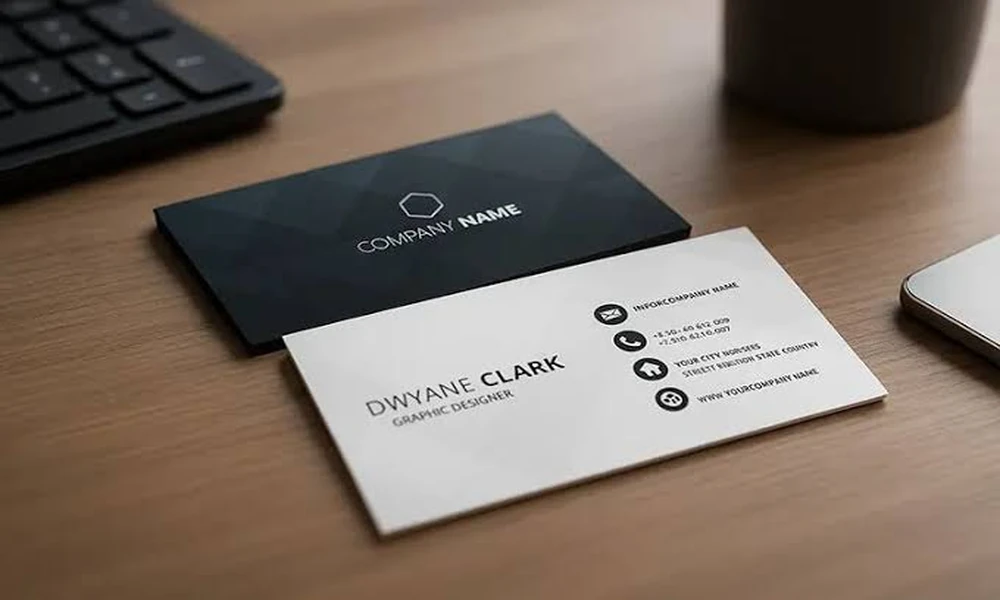
Meeting new people is an important part of growing your business. You may attend networking events or meet potential clients through mutual contacts. During these conversations, people exchange information and discuss possible business opportunities. However, remembering every name and contact detail is difficult. This is where printed business cards can help. They give people an easy way to contact you after the meeting.
A Useful Reminder After a Conversation
You might meet dozens of contacts during conferences and trade shows. A name saved without context may be difficult to recognize. Your card connects your name with the business discussed earlier. Someone can place it beside meeting notes or a quotation.
Include your main service so they remember why you met. A photographer might write “Product Photography” beneath the company name. This small detail helps when several vendors offer related services. You can also note where you met on the back.
Printed Details Remove Unnecessary Steps
Sharing a phone number digitally works when both people agree. However, some contacts prefer leaving devices in their pockets. Others may have poor reception inside a busy venue.
A printed card lets them check your details afterward. Add one direct phone number and an active email address. Your website address helps prospects review examples of your work.
Skip personal social accounts unless they support your business. You can include a QR code for your portfolio. Always print the actual website address beside the code. If someone prefers LinkedIn, you can exchange contact details there too.
Face-to-Face Meetings Still Influence Business Decisions
Research supports the value of meeting people in person. The Events Industry Council surveyed event industry participants for its 2026 global study. Seventy percent identified face-to-face relationship building as the hardest event benefit to replace.
Freeman and The Harris Poll reported another useful finding in 2025. Their research found 82% of working professionals considered in-person settings best for building important job relationships.
These studies examine events rather than printing products specifically. Still, they explain why practical contact sharing deserves attention.
Choose a Card People Can Actually Use
A complicated design can make essential details difficult to find. You do not need expensive finishes for a professional result. Start with readable type and enough space between sections.
Consider these practical checks before you approve your order:
- Put your name above your title for faster scanning.
- Choose a font size people can read without squinting.
- Pick a matte finish if recipients may write notes.
- Print a small test batch before ordering larger quantities.
- Ask the printer about bleed and safe margins for trimming.
- Check every digit in your contact number before printing.
If you search for print business cards Los Angeles, compare proof options before ordering. Local pickup may help when your next event is close. Ask about proof approval deadlines before promising your team a pickup date.
Follow Up While Your Introduction Is Fresh
Handing over a card is only the first step. Before leaving, ask when a follow-up would be useful. Take a brief note about your recent discussion afterward. Mention the topic when you email your new contact.
Instead of sending a general sales pitch, refer to their actual question. For example, you could share the pricing sheet they requested. You can also invite them to connect on LinkedIn.
Give them a clear reason to reply rather than another promotion.
Final Thought
Business cards work best when they support genuine conversations. Keep your details accurate and your message easy to understand. A useful introduction deserves an equally useful next step.