

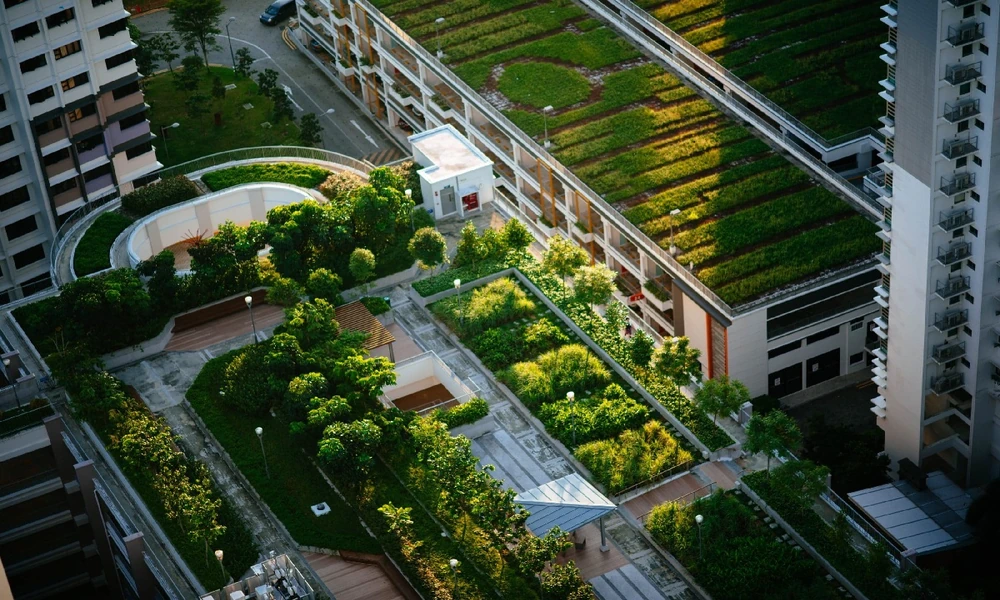
Adaptation is sometimes spoken of as a fallback, to be considered only if efforts to cut emissions fail. In practice some further warming is already unavoidable, and its effects are being felt now. climate adaptation planning is the organised process of deciding how a city or an organisation will adjust to those effects: what to protect, what to change and when. It is a necessary partner to emissions reduction, and the two address different parts of the same problem.
Adaptation and Mitigation Are Different Tasks
Mitigation reduces the cause of climate change by lowering greenhouse gas emissions. Its benefits are global and arrive over decades. Adaptation reduces the harm from changes that are already happening or cannot be prevented. Its benefits are local and often immediate. A city can have an ambitious emissions target and still flood. Planning needs both, and confusing them leads to strategies that are strong on carbon accounting and weak on protecting people and assets.
How Cities Approach the Problem
Municipal planning usually starts with a vulnerability assessment covering neighbourhoods, critical services and populations at particular risk, such as the elderly during heatwaves. Measures span drainage and coastal defence, urban greening, cooling centres, building code revisions, early warning systems and land use rules that steer development away from hazardous areas. Cities must coordinate across departments and utilities, and consult residents, because measures affect daily life and their costs and benefits fall unevenly.
How Organisations Approach It
A company plans for its own operations, staff and value chain. The focus is on continuity of service, protection of assets and the safety of people. Measures include site-level flood protection, cooling and ventilation upgrades, changes to working hours, diversification of suppliers and revisions to insurance. Organisations have narrower responsibilities than a city but depend heavily on public infrastructure, so their plans must take account of what local authorities are doing and are unlikely to do.
Starting From a Risk Baseline
Neither a city nor a company can plan without knowing where it stands. The first task is to establish which locations and systems are exposed to which hazards, and how severely, under several future scenarios. Planners commonly use portfolio-wide resilience analytics to produce a consistent baseline across every district or site. This allows priorities to be set on evidence, and provides a reference against which the effect of later measures can be judged.
Options: Protect, Accommodate, Relocate
Responses fall into three families. Protection keeps the hazard out, with sea walls, levees and barriers. Accommodation accepts that the hazard will occur and reduces its consequences, through raised floors, flood-tolerant materials, heat-resistant design and improved warning. Relocation moves people or assets out of harm’s way. The right choice depends on the value at stake, the cost of each option and how conditions are expected to evolve. Most plans combine all three in different places.
Adaptation Pathways and Trigger Points
Because the pace of change is uncertain, committing now to a single fixed solution risks spending too much or too little. A pathways approach sets out a sequence of measures and the conditions that would trigger each. A city might maintain existing defences until sea level reaches a defined threshold, then raise them, with a further option beyond that. This keeps choices open, spreads cost over time and ties investment to observed change instead of forecasts alone.
Avoiding Maladaptation
Some measures solve one problem while creating another. A flood wall may protect one district and push water into its neighbour. Widespread air conditioning cools interiors while raising energy demand and heating the streets. Defences can encourage further building in risky areas, increasing losses if they fail. Good planning tests each option for side effects, considers who is affected beyond the immediate beneficiary and prefers measures that remain worthwhile across a range of futures.
Equity and Who Bears the Cost
Climate impacts fall hardest on those with the fewest resources to cope. Low-income households are more likely to live in exposed areas and less able to recover. Decisions about where to invest in protection therefore carry social consequences. Plans that rely purely on asset values will favour wealthier districts. Many cities now include explicit equity criteria, and companies face parallel questions about lower-paid workers and smaller suppliers who have little capacity to adapt alone.
Funding and Governance
Adaptation competes for funds with more visible priorities, and its benefits appear as damage avoided. Securing finance requires a clear case, often expressed as avoided loss, and may draw on public budgets, development finance, resilience bonds and private investment. Governance matters equally. Responsibilities are frequently split between agencies and levels of government. A plan needs a lead body, defined roles, a monitoring framework and a schedule for review, or it will remain a statement of intent.
Turning a Plan Into a Programme
Begin with a baseline assessment, set objectives and agree which risks are intolerable. Identify options, test them for side effects and arrange them into pathways with trigger points. Assign owners, budgets and indicators, and report progress publicly. Review the plan every few years as evidence accumulates. Throughout, rely on current geospatial intelligence on climate exposure so that decisions reflect the latest understanding of local conditions and resources are directed to the places where need is greatest.