

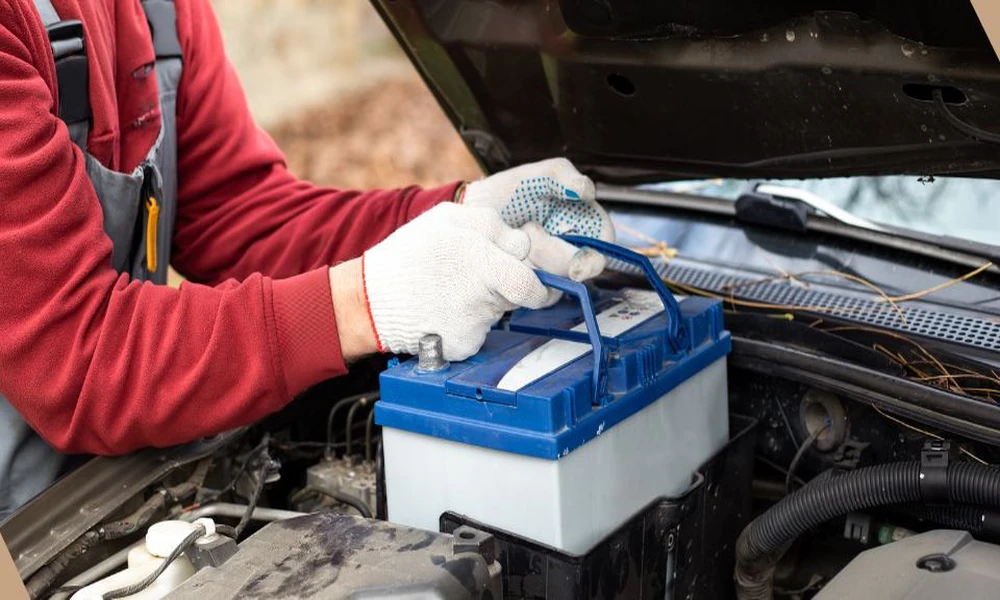
Some batteries seem to last forever, while others fade fast and leave you with dead tools or devices at the worst possible time. The difference often comes down to how you treat your lithium-ion batteries, whether they’re powering professional tools, home gadgets, or your trusty outdoor gear. Understanding the science behind these batteries and adopting a few smart habits can add years of reliable use.
Early Development of Lithium-Ion Batteries
The journey toward the modern lithium-ion battery began with a search for lightweight, rechargeable power. Early breakthroughs in the 1970s and 1980s focused on finding stable chemistries that could deliver high energy density without catching fire. It was not until Sony commercialized lithium-ion technology in 1991 that the concept truly took off, changing everything from laptops to power tools.
Despite this leap, early lithium-ion batteries grappled with high manufacturing costs and safety challenges. It took decades of incremental improvements, better separators, advanced electrolytes, smarter engineering, to make these batteries as robust and safe as they are today.
Understanding Lithium-Ion Battery Lifespan
What causes some lithium-ion batteries to keep going strong for years while others weaken and fail? It largely comes down to how the battery is used, stored, and charged.
Key Factors Affecting Battery Health
Every charge-discharge cycle takes a chemical toll on the battery. Temperature extremes, heat in particular, accelerate this wear. Storing batteries fully charged or fully drained also stresses the internal chemistry, making them more likely to degrade.
How Usage Patterns Influence Degradation
Frequent deep discharges (running the battery to empty) and rapid charging may be convenient, but both increase the rate of capacity loss. In contrast, moderate use with partial discharges and slower charging can dramatically extend a battery’s useful life.
Best Practices for Daily Battery Maintenance
You don’t need a lab to double the lifespan of your batteries, just some practical tweaks to your routine.
Proper Charging Habits to Maximize Lifespan
– Unplug the charger once the battery reaches full charge to prevent prolonged stress.
– Avoid using batteries until they are completely empty; recharge when you hit around 20-30 percent if possible.
– Use the charger recommended by the manufacturer, as incorrect voltage can damage cells.
Ideal Storage Conditions for Lithium-Ion Batteries
A cool, dry environment is ideal. If you won’t use your battery for several weeks, store it at roughly 50 percent charge. Never leave batteries in hot cars, direct sunlight, or freezing garages for extended periods.
Avoiding Common Mistakes That Reduce Battery Efficiency
Don’t stack heavy tools on batteries or expose them to moisture. Also, resist the urge to use generic or third-party chargers, as these often lack safety features designed for precise cell balancing.
Technological Advances in Battery Management
Today’s batteries are much smarter than their predecessors, thanks in large part to sophisticated monitoring systems.
Role of Battery Management Systems (BMS)
A modern Battery Management System constantly checks voltage, temperature, and charge state, protecting against the most common causes of failure: short circuits, overheating, and overcharging.
Smart Chargers and Their Impact on Longevity
Many manufacturers now offer smart chargers that adapt to the battery’s needs, slowing down as full charge approaches and even entering maintenance modes that keep cells “topped up” without overcharging. This helps users get the most out of every battery, whether running power tools or consumer electronics.
Seasonal and Environmental Considerations
Canadian winters and summer heat waves can wreak havoc on battery health.
Managing Battery Care in Extreme Temperatures
Extreme cold temporarily reduces capacity, while high heat can cause permanent damage to the battery’s internal structure. In either case, let batteries return to room temperature before charging or heavy use.
Effects of Humidity and Physical Stress
Moisture can corrode contacts and electronics. Handle batteries and tools gently, storing them in protective cases or dry storage bins when not in use.
Troubleshooting and Diagnosing Battery Issues
Even with careful maintenance, batteries eventually show their age. Capacity drops, charging takes longer, and devices run out of steam sooner than expected.
Signs Your Battery Needs Maintenance or Replacement
Watch for swelling, odd smells, or excessive heat during charging. If your battery struggles to hold a charge or the tool’s performance drops significantly, it may be time for a replacement.
Safe Ways to Recondition and Calibrate Batteries
Some lithium-ion batteries can be recalibrated by running them through a full cycle (100 percent to empty, then back to full), but do this sparingly. Avoid DIY repairs; consult your manufacturer’s guidelines for safe handling.
Future Trends in Lithium-Ion Battery Maintenance
Researchers are working on new chemistries and ultra-fast charging algorithms that could make batteries last even longer.
Innovations in Battery Chemistry for Durability
Solid-state and silicon-anode batteries promise greater longevity and improved safety, though widespread adoption is still a few years away.
Emerging Tools and Techniques for Extended Battery Life
Expect smart apps and connected chargers that monitor battery health, sending alerts when maintenance is needed or when environmental conditions threaten battery safety.
Integrating Maintenance into Tool and Device Usage
Whether you’re a contractor relying on cordless gear or a hobbyist with a garage full of gadgets, a few habits pay big dividends.
Best Practices for Power Tools and Consumer Electronics
Rotate between multiple batteries to prevent excessive cycling on any single unit. Clean contacts regularly, and always follow manufacturer recommendations for charging and storage.
Experts suggest that caring for your batteries extends not just their lifespan, but also the reliability of devices like those found in the Makita tools at GSM Depot. Investing in proper battery care means fewer interruptions and a longer useful life for your tools.
Manufacturer Recommendations and Warranty Insights
Always check your device’s manual for model-specific advice. Proper maintenance may be required for warranty coverage, and ignoring best practices can limit your options for free replacements or repairs.
A little attention each day can keep your lithium-ion batteries, and the tools you rely on, going strong for years. Treat them well, and they’ll return the favor.