

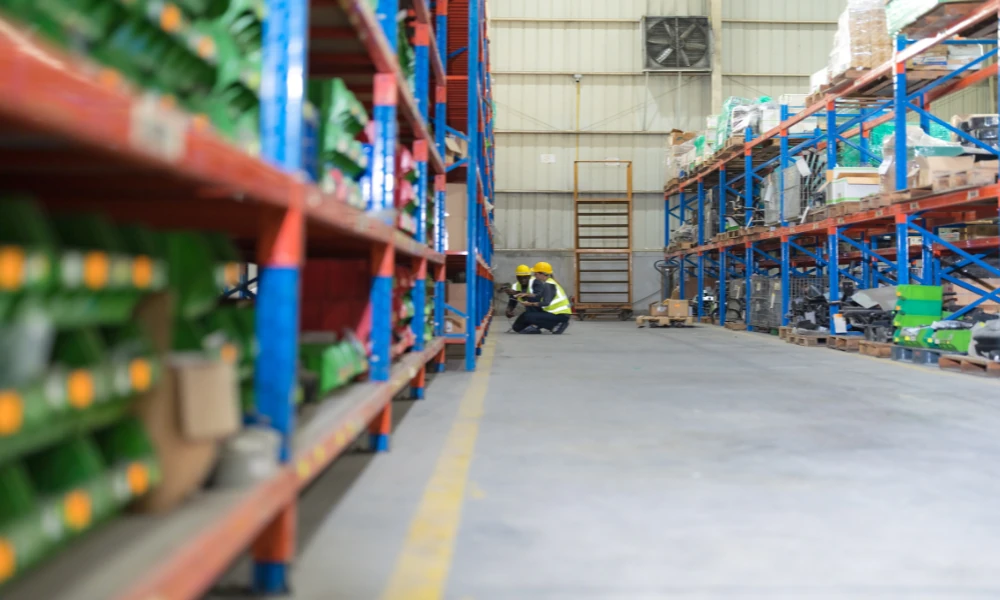
Empty containers can take up surprising amounts of warehouse space. They may hold nothing, but they still use racks and valuable floor space.
For busy operations, that wasted space can become expensive quickly. U.S. Census Bureau data placed retail inventories at $832.2 billion during May 2026. Wholesale inventories reached $941.8 billion during the same month.
With so much merchandise moving through storage networks, warehouse space deserves careful planning.
Measure Your Empty Container Problem First
Start by checking how much room empty containers use today. Walk through your storage areas during a slower operating period.
Record where empty containers accumulate during normal warehouse activity. You may find several small storage areas causing one larger problem.
Measure the floor space used by those containers. Then check how long each container waits before reuse.
This information gives you a useful starting point.
Choose Containers That Need Less Space
Container design can make a major difference after unloading. Some containers require nearly the same space when empty.
Nesting designs work differently because compatible containers fit inside each other. A nesting postal tote can therefore reduce the space needed between uses.
This can help businesses handle repeated internal deliveries or return routes. Empty containers can be grouped together before their next trip.
Check the nesting depth before purchasing large quantities. A small test order can show how much storage space your operation actually saves.
Create One Area for Empty Containers
Empty containers should have a clear home inside your warehouse. Allowing them to collect beside workstations can block useful working areas.
Choose a storage zone close to the normal return route. Workers should know exactly where unloaded containers belong.
Marking the area can also make capacity problems easier to spot. Once the assigned space fills, managers know containers need redistribution.
OSHA requires warehouse aisles and passageways to stay clear of hazardous obstructions. Storage areas should also avoid material buildup that can cause trips or other hazards.
Match Container Sizes to Real Jobs
Using too many container sizes can complicate storage unnecessarily. Review which sizes your team actually uses during normal operations.
A postal tote should match the items handled regularly. Oversized containers waste space during transport and after unloading.
Standardizing a few useful sizes can make nesting easier. Your team may also spend less time searching for suitable containers.
Before changing sizes, review your heaviest common loads. Container capacity should match the work instead of forcing employees into awkward handling.
Improve the Return Process
Empty containers sometimes occupy space because nobody owns their return process. Give one team or department responsibility for reviewing accumulated stock.
Set a simple return schedule based on actual volume. Daily collection may work for high-volume operations. Smaller facilities may only need scheduled returns several times weekly.
Track containers leaving and returning between locations. Missing containers can otherwise lead to unnecessary replacement purchases.
Remove Damaged Containers Quickly
Broken containers should not stay mixed with usable stock. Cracked rims and damaged handles can also create handling problems.
Set aside one clearly marked inspection area. Decide which containers can be repaired and which require replacement.
OSHA renewed its warehouse National Emphasis Program in 2026 and extended it from three years to five. Material handling and storage remain among the areas receiving enforcement attention.
Review Space Use Every Few Months
Warehouse needs can change as order volumes increase. A storage setup that worked last year may waste space today.
Review empty-container areas during your regular operations checks. Compare current usage with the measurements you collected earlier.
Reducing empty container storage does not require rebuilding your warehouse. Better container choices and clearer return routines can free useful space without disrupting daily work.